Family court can feel like something that happens to you. Letters arrive, dates are set, and someone asks you questions you did not know were coming. It does not have to feel that way. Most of what happens in a children case in England and Wales follows a known route, and most of what you will be asked can be prepared for in advance.
2027 brings real changes to that route. This guide sets out what is planned, what is still only proposed, and what it means for you in practice. It starts where we think every parent should start: with a picture of the journey, and a plan for what will be asked of you along the way.
The short version
- Most of a family court case can be planned for. A typical child arrangements case in England and Wales follows a known route, and most of what you will be asked can be prepared in advance.
- The Child Focused Model keeps spreading. More areas of England join in January 2027 and from April 2027, with every family court area due to run it by March 2029.
- The presumption of parental involvement is not law yet. The plan to remove it is in the Courts and Tribunals Bill, which is in the House of Lords. The child's welfare stays the court's paramount consideration either way.
- Mediation vouchers continue into 2027. Up to £500 towards mediation about children, for eligible families.
- Unmarried couples have no new rights yet. The government consulted in 2026, and any change needs a new law first.
Start with a map of your journey
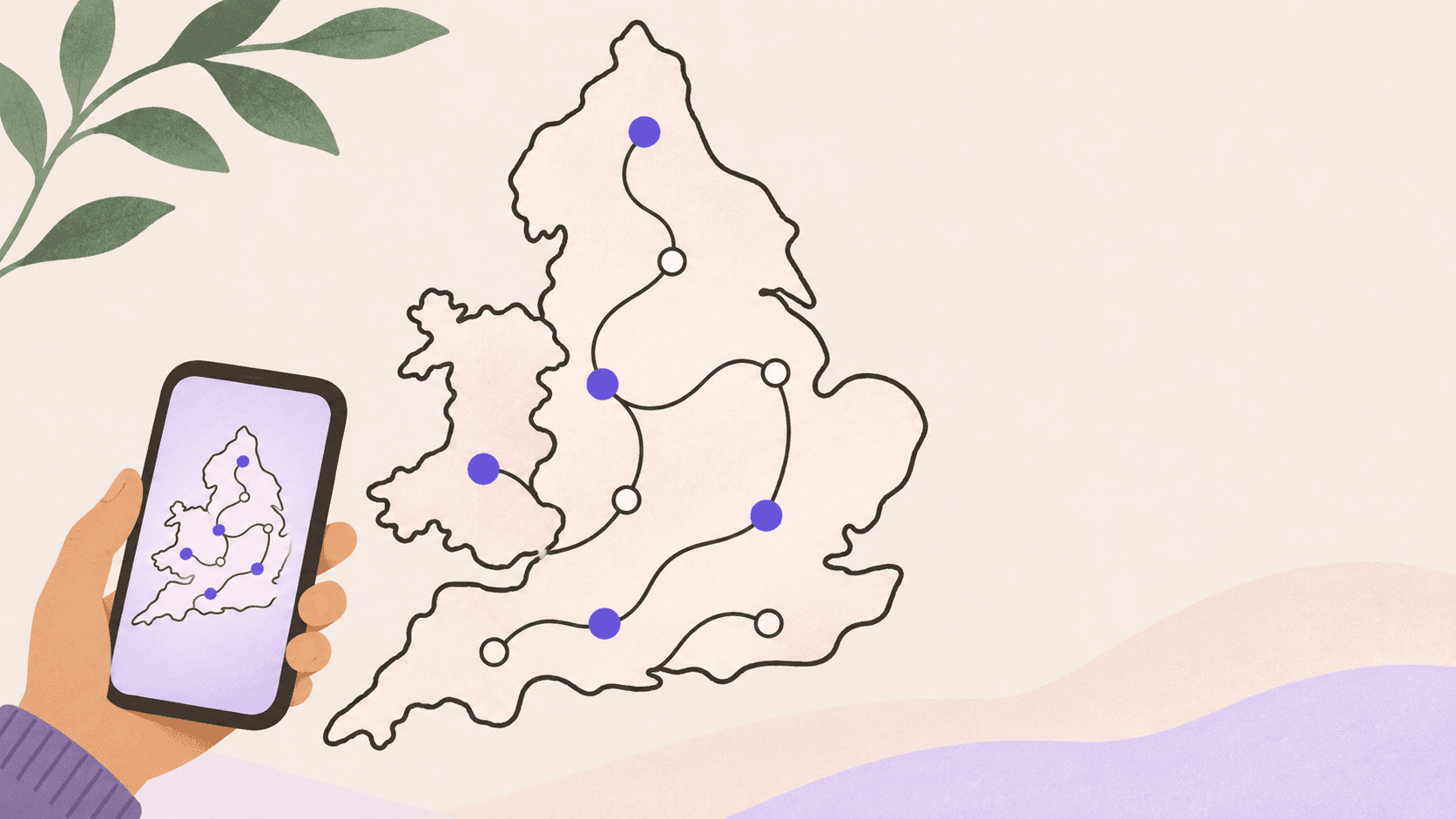
Before you think about any reform, it helps to see the whole route. A typical child arrangements case runs in this order:
- Trying to agree first. Before applying, you will usually need to attend a MIAMA MIAM is a first meeting with a trained mediator, on your own, to talk about whether mediation could help sort things out without a court hearing. Most people have to attend one before applying to court, unless an exemption applies. (a Mediation Information and Assessment Meeting, a single meeting with a mediator about whether mediation could work for your family), unless an exemption applies.
- The application. If agreement is not possible, one parent applies to court using the C100A C100 is the form you fill in to ask the family court to make a decision about arrangements for a child. Once the court issues it, your case has a number and a first hearing is normally listed. form.
- Safety checks. CafcassCafcass is the Children and Family Court Advisory and Support Service. It is independent of the court and of both parents, and its job is to advise the court about what is best for a child. (the Children and Family Court Advisory and Support Service, which advises the court about children) carries out checks with the police and the local authority and speaks to each parent.
- The first hearing. In many areas this is the FHDRAA FHDRA is the first hearing in a children case: a first hearing and dispute resolution appointment. The court looks at what is agreed, what is not, and what needs to happen next. (the First Hearing Dispute Resolution Appointment), where the court looks at what is agreed, what is not, and what happens next.
- Reports, if needed. The court may ask Cafcass or the local authority for a fuller report, sometimes called a section 7 reportA section 7 report is a welfare report about what is best for a child, written for the court by Cafcass or the local authority when the court asks for one. It makes recommendations; the decision stays with the court..
- Further hearings, then an order. Some cases settle early. Others go on to a final hearing, where the court decides what arrangements are best for the child.
Not every case visits every stop, and the order can change where there are safety concerns. But knowing the shape of it means nothing arrives as a complete surprise. Our free case map shows this route as a single line, and marks where you are on it.
Prepare for what will be asked of you
Across that journey, the same questions come up again and again. Getting your answers organised early is one of the most useful things you can do, whatever changes in 2027.
- What arrangements you are asking for, and why you think they would work for your child
- Your child's current routine: school, health, activities, who does what and when
- A short, dated timeline of the key events, kept to facts rather than feelings
- Whether you have tried mediation, and your MIAM certificate or the exemption that applies
- Any safety concerns, and any involvement from police, social services or your child's school
- Practical details: where you live, your working hours, travel and handovers
- What you think your child would say, and how you think they are coping
You do not need perfect wording. You need clear, honest, organised information, so that when Cafcass calls or the court asks, you are not trying to remember dates under pressure. If it helps, our guide to writing a chronology walks through the timeline step by step.
The Child Focused Model reaches more of England
The biggest practical change for parents is the continued rollout of the Child Focused Model (the national version of what was piloted as Pathfinder courts). In these courts, Cafcass gathers much more information before the first hearing, in a document called a Child Impact Report, and where appropriate speaks to your child early on.
The model already runs in all of Wales and in several English regions. Further areas were scheduled to join from November 2026, with Leicestershire, Lincolnshire, and Cambridgeshire and Peterborough planned for January 2027, and more areas expected from April 2027. The government's stated aim is for every family court area to run the model by March 2029.
What this means for planning: if your case is in a Child Focused Court, the early conversations matter more, because they shape the report the court reads first. The checklist above becomes even more useful. Our rollout map explains how to find out which process applies to your area, and dates can move, so check before relying on them.
The presumption of parental involvement
Since 2014, the Children Act 1989 has asked the court to presume that a child benefits from the involvement of both parents, unless that would put the child at risk. The government has proposed removing this presumption, and the change is part of the Courts and Tribunals Bill. At the time of writing, the Bill has passed the House of Commons and is being considered by the House of Lords. It is not law yet, and nothing changes until it receives Royal Assent and comes into force.
It is worth being clear about what would not change. The child's welfare would still be the court's paramount consideration. The court would still look at the welfare checklist: the child's wishes and feelings, their needs, the effect of any change, and any risk of harm. Many children will continue to spend time with both parents where that is safe and in their interests.
For planning, the steady approach is the same either way: focus on your child's needs, and be ready to explain how the arrangements you are asking for would meet them.
More support to agree outside court
The courts continue to encourage families to resolve things without a contested hearing where it is safe to do so. Since April 2024, a court can ask at any stage whether you have considered options such as mediation, and can pause a case to give them a chance.
The Family Mediation Voucher Scheme, which offers up to £500 towards mediation about children, was extended again in 2026 and runs into 2027. Check the current end date on GOV.UK before you rely on it. Mediation is not suitable for everyone, especially where there has been abuse, and a MIAM exemption exists for that reason.
Unmarried couples and financial reform
This one is less about children cases, but it affects many separating families. In June 2026 the government opened a consultation called A Fairer End to Relationships on new financial protections for cohabiting couples when they separate, on inheritance where a partner dies without a will, and on reforms to finances on divorce, including legally recognised nuptial agreements. The consultation closed in August 2026.
Nothing has changed in the law yet. The government's response is expected in due course, and any new law would need to pass through Parliament first. If you are separating from a partner you did not marry, today's rules still apply in 2027.
What this means for you
Reforms will keep coming, and dates will keep moving. What stays constant is that the parents who feel steadiest in court are usually the ones who knew the route before they set off, and who had their information ready before anyone asked for it. Map your journey, gather your answers, and keep the focus on your child.
Common questions
What is the latest news on family courts in England and Wales?
The main changes are the Child Focused Model spreading to more court areas through 2027, the plan to remove the presumption of parental involvement (in the Courts and Tribunals Bill, not yet law), mediation vouchers continuing into 2027, and a government consultation on rights for unmarried couples. The sections above explain each one.
Is the presumption of parental involvement being removed?
The government plans to remove it through the Courts and Tribunals Bill. As of November 2026 the Bill has passed the House of Commons and is being considered by the House of Lords, so the presumption is still law until the Bill receives Royal Assent and comes into force. Either way, the child's welfare remains the court's paramount consideration.
Which courts will run the Child Focused Model in 2027?
All of Wales and several English regions already run it. Leicestershire, Lincolnshire, and Cambridgeshire and Peterborough are planned to join in January 2027, with more areas expected from April 2027 and every area by March 2029. Dates can move, so check which process applies to your area before relying on them.
Is the mediation voucher still available in 2027?
The Family Mediation Voucher Scheme was extended in 2026 and is due to run into 2027. It offers up to £500 towards mediation about children for eligible families. Check GOV.UK for the current end date and eligibility.
Do unmarried couples have new rights in 2027?
Not yet. The government consulted on new protections for cohabiting couples in 2026, and its response is still awaited. Any new rights would need a new law passed by Parliament, so the current rules still apply.
What will I be asked before my first hearing?
Usually: what arrangements you are asking for and why, your child's routine, whether you have tried mediation, any safety concerns, and any involvement from police or social services. Cafcass asks some of this in a phone call before the first hearing. Having a short, dated timeline and clear answers ready makes those conversations much easier.
Sources
- Ministry of Justice written statement on the Child Focused Model, 17 March 2026 (UK Parliament)
- Courts and Tribunals Bill (UK Parliament bill tracker, checked 14 November 2026)
- Family Mediation Voucher Scheme (GOV.UK)
- A Fairer End to Relationships consultation (Ministry of Justice, June 2026)
- Children Act 1989, section 1 (legislation.gov.uk)
How familycourt.app and McKenzie can help
When you describe your situation, McKenzie, the app's AI assistant, shows you where you are on a plain-English map of your case, including whether your court runs the Child Focused Model or the older process, and what usually comes next. It explains each stage in plain English, using your own case facts. Document Studio then helps you prepare your own chronology and position statementA position statement is a short document, usually a page or two, telling the judge before a hearing where things stand for you and what you are asking the court to consider. It is not evidence, and it is yours: you decide every word in it., in the format the court expects, so the questions in the checklist above already have organised answers before anyone asks them.